Home Sweet Home SVG: A Practical Guide for Creators and Makers
In the world of digital crafting, the right asset can transform a simple project into a professional-grade product. The Home Sweet Home SVG file has become a staple for designers looking to add warmth and familiarity to their work. Whether you are running a small Etsy shop, creating custom gifts for family events, or managing a sublimation printing business, understanding how to integrate this specific vector format into your workflow is essential. This guide moves beyond basic definitions to explore the practical implementation of the Home Sweet Home SVG in real-world production environments.
Understanding the Asset and Its Role in Your Workflow
An SVG, or Scalable Vector Graphics file, is distinct from raster images like JPEGs or PNGs because it uses mathematical equations to define shapes rather than pixels. This makes the Home Sweet Home SVG infinitely scalable without losing quality. For creators using cutting machines such as Cricut or Silhouette, or those utilizing heat press equipment for sublimation, this scalability is the primary advantage. You can cut a tiny logo for a keychain or scale the same design up to cover a large tote bag or wall art, and the lines remain crisp and clean.
The "Home Sweet Home" motif itself carries significant emotional weight, making it a high-demand design for home decor, nursery items, and housewarming gifts. However, the value of the design lies not just in its aesthetic appeal but in how efficiently it fits into your production pipeline. Before purchasing or downloading any digital asset, consider where it fits in your broader process. Does it align with your current color palette? Is the complexity of the design suitable for your specific machine's capabilities? Planning these factors ensures that the asset serves your business goals rather than becoming a bottleneck.
Preparing Your Digital Environment for Production
Efficiency in digital crafting often begins before the design ever reaches the cutting mat. Most commercial SVG files, including the Home Sweet Home SVG, are delivered within a compressed ZIP archive. This packaging protects the file integrity during download and allows sellers to bundle multiple formats (such as DXF, EPS, or PNG) alongside the primary SVG. Managing these archives correctly is a critical step in maintaining an organized workflow.
If you are working on mobile devices, specifically iOS tablets or phones which are increasingly used for design management, handling these archives requires a specific approach. Unlike desktop operating systems that may automatically extract files, iOS requires a deliberate action to uncompress the data. To access your Home Sweet Home SVG on an iPhone, iPod touch, or iPad, you must utilize the native Files app. Navigate to the location where the download was saved, typically the Downloads folder within iCloud Drive or On My iPhone. Locate the ZIP file representing your purchase.
Once identified, tap the ZIP file directly. The system will automatically generate a new folder containing the unzipped contents. This action is instantaneous and preserves the original archive if you wish to keep it for backup purposes. If the default folder name is generic or difficult to locate later, you can rename it immediately. Touch and hold the newly created folder until a context menu appears, then select Rename. Naming the folder something descriptive, such as "HomeSweetHome_Decor_Project," aids in long-term organization and retrieval, especially when managing hundreds of assets for different clients or seasons.
Integrating with Cutting Machines and Sublimation Tools
Once the files are extracted, the next phase involves importing them into your design software. For users of Cricut Design Space or Silhouette Studio, the process is straightforward. Open your preferred application and use the upload function to import the SVG. Because the Home Sweet Home SVG is vector-based, the software will recognize the individual layers and paths. This layering capability is crucial for complex projects involving multi-color cuts or intricate weeding processes.
When preparing the design for sublimation, the workflow shifts slightly. Sublimation requires the image to be mirrored before printing onto transfer paper. After importing the Home Sweet Home SVG into your editing software, ensure you have the correct dimensions for your final product. If you are printing on mugs, tumblers, or ceramic tiles, the resolution and size must match the printable area of your substrate. The vector nature of the SVG ensures that even at 300 DPI or higher, the edges of the text and graphics remain sharp, preventing the blurry output that often plagues low-resolution raster images.
Consistency is key when scaling a business around digital downloads. Establish a standard procedure for testing each new SVG file before committing to a full production run. Cut a test piece on scrap material or print a proof on plain paper to verify that all elements of the Home Sweet Home design render correctly. Check for stray nodes, overlapping paths, or disconnected segments that could cause errors during the cutting or printing process. This quality control step saves time and material costs in the long run.
Advanced Mobile Workflow: From Archive to Procreate
For artists who prefer a tablet-first approach or need to customize designs on the go, the iPad offers a robust ecosystem for manipulating SVG assets. While many cutting machine apps run natively on iOS, creative professionals often turn to Procreate for advanced illustration, coloring, or adding unique textures to the base design. Integrating the Home Sweet Home SVG into Procreate requires a specific sequence of actions to bridge the gap between file storage and brush import.
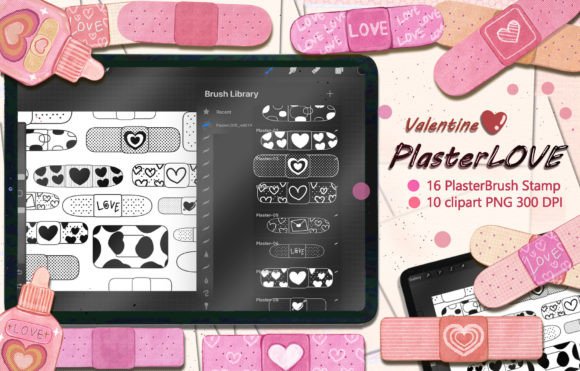
After unzipping the file using the method described earlier—opening the Files app, tapping the archive, and renaming the resulting folder—you can proceed to open the folder to reveal the contents. If the package includes a custom brush set or texture map intended for use with the SVG design, you can import these directly into Procreate. Launch the Procreate app on your device and navigate to the Brush Library by tapping the brush icon. Scroll down to the bottom of the list to find the "Imported Brushes" section.
To add new resources, click on the plus sign (+) located at the top left of the brush library interface. Select "Import" and navigate back to your Files app where the unzipped Home Sweet Home assets are stored. Choose the relevant .brushset file. Once imported, these tools appear in your Imported Brushes category, ready for immediate use. This seamless integration allows you to take a standard vector design and apply hand-painted effects, watercolor textures, or custom patterns, elevating the final product beyond what standard vector rendering can achieve. This hybrid workflow combines the precision of vector cutting with the artistic flair of digital painting.
Strategic Implementation and Long-Term Value
The true value of the Home Sweet Home SVG extends beyond a single project. By mastering the extraction, organization, and manipulation of these files, you build a repeatable system that enhances productivity. For entrepreneurs, this means faster turnaround times for orders. For hobbyists, it means less frustration and more enjoyment in the creative process. Organizing your digital assets into clearly labeled folders, as demonstrated in the iOS unzipping process, ensures that you can quickly retrieve the Home Sweet Home design months or years later for seasonal promotions or recurring client requests.
Furthermore, understanding the compatibility of SVG files across different platforms future-proofs your business. As technology evolves, having a library of high-quality vector files ensures that you can adapt to new machines, software updates, or printing technologies without needing to repurchase designs. The Home Sweet Home SVG serves as a versatile foundation upon which you can build a diverse range of products, from vinyl decals and t-shirts to personalized stationery and home textiles.
Ultimately, the success of your creative endeavors depends on the efficiency of your workflow. By treating digital assets as integral components of a larger production system—managing them carefully from the moment they arrive in a ZIP file to their final execution on physical media—you maximize the return on your investment. Whether you are cutting vinyl for a local craft fair or running a global sublimation store, the principles of organization, preparation, and technical proficiency remain constant. Embrace these practices to ensure that every project, starting with a simple file download, results in a polished, professional outcome.