Celebrate Freedom: The Ultimate Guide to 4th of July Independence Day Backgrounds and Design Assets
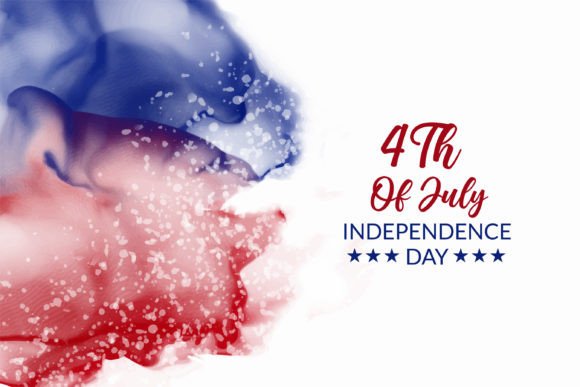
The Fourth of July, officially known as Independence Day in the United States, is more than just a federal holiday; it is a vibrant cultural celebration of liberty, history, and national pride. For designers, entrepreneurs, educators, and content creators, this holiday presents a unique opportunity to express creativity through visual storytelling. Whether you are designing a book cover for a summer reading list, creating social media graphics for a business promotion, or crafting invitations for a backyard barbecue, the right background image can set the tone for your entire project.
In this comprehensive guide, we will explore the significance of using high-quality Independence Day backgrounds, how they fit into modern digital workflows, and why specific file formats matter for professional results. We will also delve into practical applications ranging from print-on-demand products to desktop customization, ensuring you have the tools to celebrate effectively.
The Significance of Visual Identity on Independence Day
Visual communication plays a pivotal role in how we perceive holidays. When we see red, white, and blue patterns, fireworks, stars, and stripes, our brains immediately associate these images with American patriotism and summer festivities. However, not all images are created equal. In the digital age, where attention spans are short and competition is fierce, the quality of your visual assets determines the success of your message.
Using a generic, low-resolution clip art can make a design look amateurish and unprofessional. Conversely, a well-curated Independence Day background elevates the perceived value of your work. It provides context, evokes emotion, and ensures that your content stands out in a crowded feed or marketplace. Whether you are an educator preparing a classroom presentation or a small business owner launching a patriotic product line, the background serves as the canvas upon which your story is told.
Why High-Quality Assets Matter
One common misunderstanding among beginners is that "good enough" resolution applies to all projects. This is rarely true. If you plan to print your designs—such as greeting cards, party decorations, or merchandise—the resolution of your source file is critical. A pixelated image can ruin an otherwise beautiful concept. This is why professional design packs emphasize features like High Quality 300 dpi. Dots per inch (dpi) measure the density of pixels in an image; 300 dpi is the industry standard for print, ensuring sharp lines and vibrant colors when ink hits the paper.
Furthermore, consistency in color and style helps build brand recognition. If you are running a series of social media posts leading up to the holiday, using a cohesive set of backgrounds ensures that your audience recognizes your content instantly. This is where a curated ZIP file containing multiple variations becomes an invaluable asset for streamlining your workflow.
Practical Applications for Independence Day Designs
The versatility of a good design pack cannot be overstated. A single collection of backgrounds can serve multiple purposes across different mediums. Let's explore how these assets can be integrated into various aspects of modern life and business.
Print-on-Demand and Merchandise
For entrepreneurs utilizing platforms like Amazon KDP (Kindle Direct Publishing) or print-on-demand services, the Fourth of July is a lucrative season. You can use these backgrounds to create:
- Book Covers: Perfect for historical fiction, children's books about patriotism, or educational workbooks. A striking background draws readers in before they even read the title.
- T-Shirts and Apparel: While backgrounds are often used as full prints, elements within them can be isolated for graphic tees that capture the spirit of the holiday.
- Coffee Mugs and Stickers: These are popular gift items. A seamless pattern or a centered festive design works beautifully on cylindrical surfaces or adhesive stickers.
- Mobile Covers: Personalizing phone cases allows individuals to carry their patriotism with them everywhere they go.
Digital Content and Social Media
In the realm of digital marketing, visual appeal drives engagement. Social media posts featuring high-quality backgrounds tend to receive more likes, shares, and comments. You can utilize these files for:
- Social Media Posts: Create eye-catching announcements for sales, events, or community gatherings.
- Web Backgrounds: Update your website or blog header to reflect the holiday spirit, creating a welcoming atmosphere for visitors.
- Greeting Cards: Digital e-cards sent via email or messaging apps can feature these designs to convey warm wishes quickly and stylishly.
Event Planning and Education
Whether you are organizing a corporate event or teaching a history lesson, the right visuals enhance the experience.
- Invitation Party Decorations: From printed invites to table runners, consistent backgrounds tie the event theme together.
- Desktop Backgrounds: Encourage team spirit in the office by distributing patriotic wallpapers for computers.
- Educational Materials: Teachers can use these images in PowerPoint presentations or handouts to engage students during lessons on American history.
Understanding File Formats and Technical Specifications
To get the most out of your design assets, it is essential to understand the technical specifications provided in a professional download package. Many users struggle because they do not know how to handle different file types or dimensions correctly.
The Importance of Dimensions and Resolution
A standard specification for many versatile design packs includes a size of 500 x 500 px. While this might seem small for a large banner, it is ideal for icons, social media profile pictures, and certain mobile layouts. However, the key lies in the resolution. Even at 500x500 pixels, if the file is saved at 300 dpi, it retains significant clarity for smaller print jobs or high-definition screens. For larger formats, such as posters or large banners, users may need to upscale the image using professional software, but starting with a high-density source file minimizes quality loss.
JPG vs. Other Formats
The inclusion of JPG (JPEG) files is a deliberate choice for accessibility. JPG is a universally supported format compatible with almost every device and application. Unlike PNGs, which support transparency, JPGs are optimized for photographs and complex gradients, making them perfect for rich, colorful backgrounds.
This format ensures compatibility with popular tools such as:
- Canva: Easily upload and drag-and-drop these files into templates for instant social media graphics.
- MS Word: Insert backgrounds into documents for reports or newsletters.
- MS PowerPoint: Set slides to a festive theme for impactful presentations.
- Adobe Creative Suite: Use as base layers in Photoshop or Illustrator for advanced editing.
The Convenience of ZIP Files
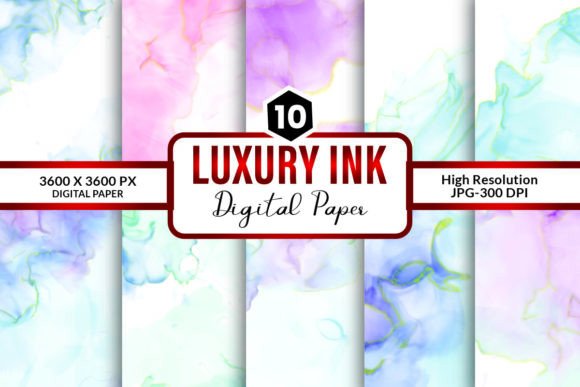
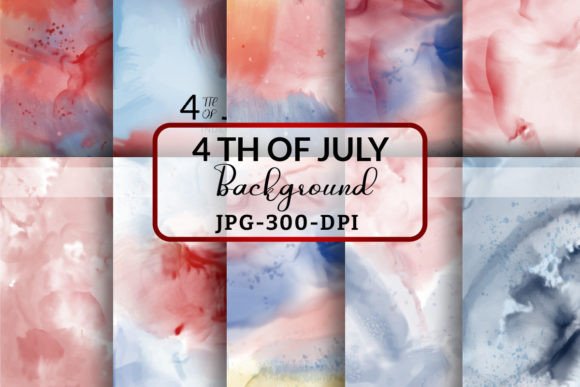
Professional design downloads often come in a ZIP file. This compressed archive keeps multiple files organized and protects them from corruption during transfer. A typical package might include 10 JPG files, offering a variety of patterns, color intensities, and compositions. This variety allows you to match the specific mood of your project, whether you need a subtle, elegant backdrop or a bold, energetic explosion of fireworks.
Common Misconceptions and Best Practices
As you begin incorporating these assets into your workflow, it is helpful to clarify a few common assumptions.
Misconception 1: "I need a vector file for everything."
While vectors are excellent for logos and scalable text, raster images (like JPGs) are perfectly suitable for photographic backgrounds and textured patterns. As long as the resolution is sufficient for your intended output size, a high-quality JPG is often easier to work with in non-design software.
Misconception 2: "One background fits all."
Context matters. A background that looks great on a coffee mug might be too busy for a document with heavy text. Always consider the balance between the background and the foreground elements. If you are adding text, ensure there is enough contrast or negative space for readability.
Best Practice: Test Before You Print.
If you are planning physical products like mugs or t-shirts, always order a sample first. Colors can shift slightly depending on the printing method used by the manufacturer. Testing ensures that the final product matches your vision.
Expanding Your Creative Toolkit
Designing for the Fourth of July is just one aspect of a broader creative journey. By mastering the use of high-quality backgrounds, you develop skills that apply year-round. Understanding file formats, resolution requirements, and application contexts empowers you to tackle any design challenge.
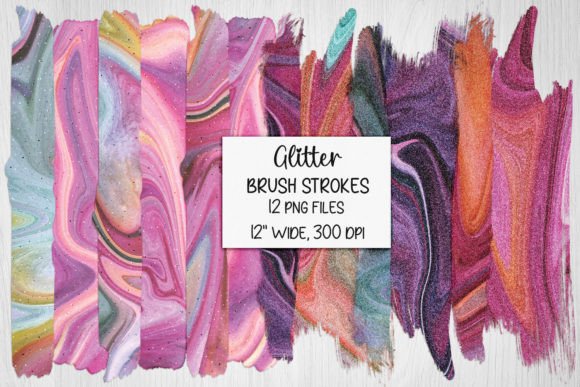
If you found these resources helpful, consider exploring further. Many creators offer a wide range of complementary assets, including KDP interiors for book formatting, specialized brushes for digital painting, and intricate illustrations that can add depth to your projects. Visiting a creator's profile can unlock a treasure trove of materials designed to streamline your workflow and inspire new ideas.
Conclusion
The Fourth of July is a time for celebration, reflection, and connection. By leveraging professional-grade Independence Day backgrounds, you can enhance your projects, communicate your message more effectively, and join in the national spirit with style and confidence. Whether you are a seasoned designer or a beginner looking to create your first holiday card, the right tools make all the difference. Embrace the red, white, and blue, and let your creativity shine as bright as the fireworks lighting up the night sky.
Thanks for downloading my design. Please visit my profile for more Background designs, KDP interiors, T-shirts, Brushes, and illustrations.